
Seismic isolation bearings, structural dampers, and the design-assist engineering that goes with them — so that when the ground moves, the building above is still usable the next morning.
A Fasclad Group VentureA conventionally designed structure is allowed to be damaged in a major earthquake, provided it does not collapse. That is the right minimum — but it is not what a hospital, data centre, or bridge authority actually needs. Their loss is not the structure; it is the downtime. Seismic isolation shifts the objective from life safety to continued operation.
Lead-rubber, natural-rubber and high-damping isolation bearings; sliding and friction-pendulum systems; bridge bearings.
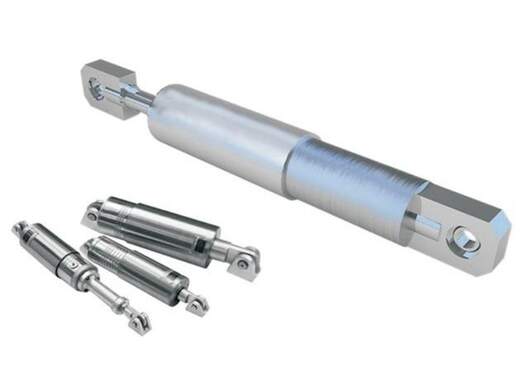
Viscous, viscoelastic, friction, metallic and composite dampers, and buckling-restrained braces — new build and retrofit.
Design-assist from feasibility through peer review — device specification, modification factors and test programmes.
Witnessed factory acceptance testing with full certified test records issued for every production lot.
Installation supervision, commissioning, periodic inspection, post-earthquake assessment and device replacement.
An isolation bearing sits in a layer between the superstructure and foundation — deliberately stiff vertically to carry the full gravity load, and deliberately flexible horizontally so the ground can move without dragging the building with it.
The period of the structure is lengthened (typically 2–4 seconds), moving it away from the range where Philippine ground motions carry most of their energy; built-in damping absorbs the input energy within the isolation layer itself; and drift is concentrated into a single designed, inspectable, replaceable layer.
Inter-storey drift and floor accelerations fall sharply, so cladding, partitions, piping, medical equipment and server racks survive the event. That is the difference between a building that stands up and a building that opens the next day.
Elastomeric bearings available from 200 mm to 1,500 mm diameter, in Type I (standard) and Type II (enhanced) configurations. Geometry, rubber formulation, target stiffness, damping and connection detail are all set by the design.
Lead-rubber, natural-rubber and high-damping rubber bearings. The lead core provides stable hysteretic damping; the elastomer carries vertical load and recentres. The workhorse device for building and bridge isolation.
Elastic sliding plate bearings, friction-pendulum systems, and stair/expansion-joint systems — used where geometry, long-period targets, or displacement demand require them.
Viscous, viscoelastic, friction, metallic and composite dampers, plus buckling-restrained braces — for new build and for the seismic retrofit of existing critical facilities.
Steel preparation, rubber compounding, vulcanisation, machining and full-scale testing under one roof — a single traceable chain from mill certificate to certified device.
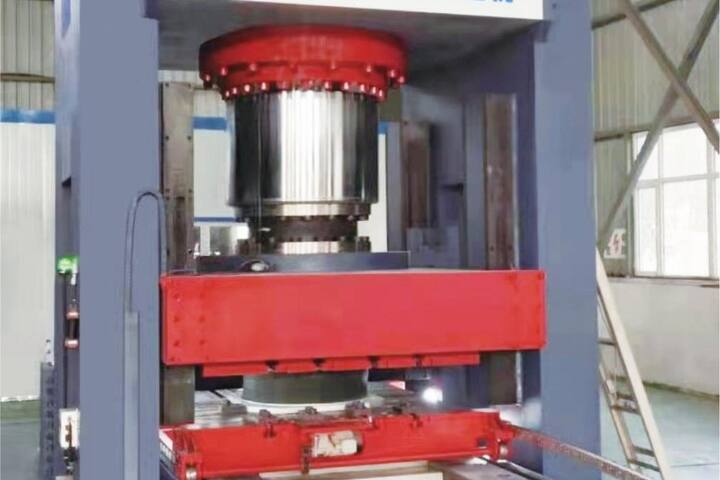 Vulcanising press line
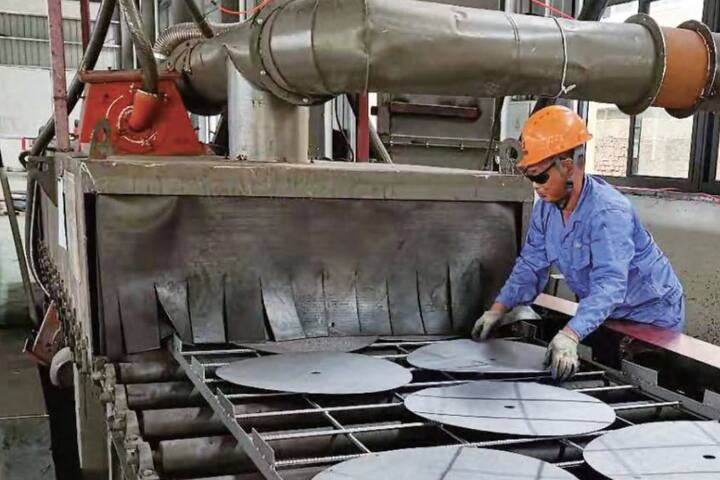 Rubber compounding
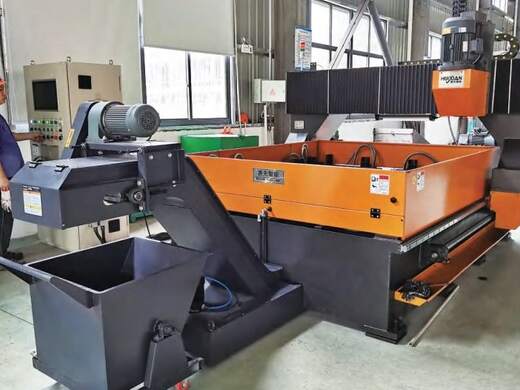 Steel preparation & machining
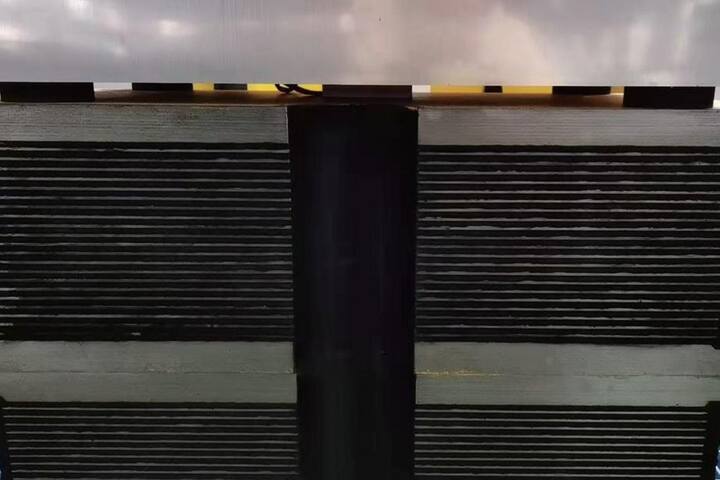 Rubber & steel laminations
 Finished isolation bearing
 Manufacturing facility
The value in an isolation system is the evidence that each device behaves the way the analysis model said it would. Every production lot is released against its own certified test record — mill certificates, compound tests, prototype and production reports, dimensional and corrosion reports, and installation records — assembled into a single submittal package for the engineer of record and peer-review panel.
Standards are cross-referenced for peer review; applicable clause numbering is verified against the current NSCP edition at time of design. Manufacturing and testing figures describe the facility of QuakeGuard's joint-venture production partner.
The binding constraint on isolation in the Philippines is engineering confidence — whether a conservative peer reviewer will approve an isolated design. Our model removes that obstacle, one stage at a time.
Is isolation right for this structure and site? A straight answer early — including when it's no.
Customised production against the project's own demand parameters.
Property ranges, upper/lower-bound factors, isolation-layer layout and interface detailing.
Documentation for the special review of the isolation system and construction-drawing review.
Drawing disclosure, method-statement review, and resident technical guidance on site.
Witnessed factory testing, installation supervision, as-built survey and acceptance dossier.
Operator training, scheduled and post-earthquake inspection, maintenance and replacement.
Ancillary products, reference-project visits, and support for awards and benchmark submissions.
For seismic isolation feasibility, device specification, and design-assist support:
Email info@fasclad.com